Environmental Impact and Time and Cost Efficiency in Modular Builds
Understanding Modular Construction
What Is Modular Building?
Modular construction represents a revolutionary approach to building that involves creating structures using prefabricated sections or modules manufactured in controlled factory environments. These modules are then transported to the construction site for assembly, creating complete buildings that can range from simple residential homes to complex commercial facilities. This method has gained significant traction in recent years as developers and builders seek more efficient alternatives to traditional construction methods.

How Modular Construction Differs from Traditional Methods
Unlike conventional construction where everything happens on-site, modular building shifts much of the work to specialized manufacturing facilities. While traditional construction follows a linear process where each phase must be completed before the next begins, modular construction allows for simultaneous activities. Site preparation can occur while modules are being fabricated in the factory, dramatically reducing overall project timelines and minimizing weather-related delays that often plague traditional builds.
Common Applications of Modular Builds
Modular construction has found success across various sectors, from affordable housing developments and educational facilities to healthcare buildings and commercial spaces. Remote work camps, disaster relief housing, and military installations frequently utilize modular construction due to its ability to deliver quality structures quickly in challenging locations.
Environmental Considerations in Modular Construction
Reducing Waste Through Off-Site Fabrication
The environmental impact of modular construction is significantly lower than traditional building methods due to the controlled factory environment where precise material calculations and efficient use of resources minimize waste. Factory settings allow for better material management, recycling of scraps, and standardized processes that reduce the overall material footprint of construction projects.
Energy Efficiency and Sustainable Materials
Modular construction often incorporates energy-efficient designs and sustainable materials from the planning stage. The controlled manufacturing environment enables consistent quality control and the integration of green building technologies, resulting in structures that perform better thermally and require less energy for heating and cooling throughout their lifespan.
Lower Carbon Footprint During Construction
The reduce construction timeline and minimized transportation of materials and workers to remote sites contribute to a lower carbon footprint. Factory production consolidates energy use and reduces the environmental impact associated with extended on-site construction activities.
Time Efficiency Benefits of Modular Builds
Streamlined Construction Timelines
Time and cost efficiency in modular construction stems from the parallel processing approach where site preparation and module fabrication occur simultaneously. This method can reduce total project time by 30–50% compared to traditional construction methods, making it particularly valuable for projects with tight deadlines or seasonal constraints.
Parallel Site Preparation and Module Fabrication
While the foundation and site utilities are being prepared, modules are simultaneously manufactured in climate-controlled facilities. This parallel approach eliminates the sequential delays common in traditional construction and ensures that weather conditions don’t halt progress entirely.
Faster Occupancy and Project Turnaround
The rapid assembly process means buildings can be occupied much sooner than traditional constructions. This quick turnaround is especially beneficial for commercial projects where delayed occupancy translates to lost revenue, or emergency housing situations where speed is critical.
Cost Efficiency in Modular Projects
Predictable Budgeting and Reduced Labor Costs
Time and cost efficiency in modular construction extends to predictable budgeting due to the controlled manufacturing environment. Factory production reduces labor costs through specialized assembly lines, bulk material purchasing, and reduced waste, while also minimizing the skilled labor shortage issues that plague traditional construction sites.
Minimizing Delays and Weather-Related Expenses
Weather delays, which can add significant costs to traditional projects, are largely eliminated since most work occurs in protected factory environments. This predictability helps maintain project schedules and budgets, particularly important in challenging climates or remote locations.
Long-Term Savings Through Energy Efficiency
The precision manufacturing process allows for better insulation installation and air sealing, resulting in more energy-efficient buildings that provide ongoing savings through reduced utility costs over the building’s lifetime.
Stability and Durability in Challenging Environments
How Modular Builds Handle Difficult Terrain
Stability and durability are key advantages of modular construction, especially in challenging landscapes. Modules are engineered to withstand transportation stresses, making them inherently robust for difficult terrain installation. The factory-built components often exceed traditional building codes because they must survive transportation and crane lifting.
Structural Integrity and Longevity of Modules
Modular buildings demonstrate excellent structural integrity due to the precision manufacturing process and quality control measures implemented in factory settings. The use of engineered materials and computer-controlled fabrication ensures consistent quality and structural performance that often surpasses site-built construction.
Weather Resistance and Maintenance Needs
The controlled manufacturing environment allows for superior weather sealing and protection systems. Modules are designed to handle various climate conditions, and the precision assembly reduces maintenance needs compared to traditional construction methods.
Adapting to Different Landscapes with Modular Design
Flexibility in Remote or Hard-to-Reach Areas
Modular construction excels in remote locations where traditional construction would be logistically challenging or prohibitively expensive. The ability to manufacture modules off-site and transport them to virtually any location makes development possible in areas previously considered impractical for construction.
Transporting Modules to Uneven or Isolated Sites
Modern modular systems are designed with transportation challenges in mind. Modules can be sized and configured to navigate difficult access routes, and specialized foundation systems can accommodate uneven terrain without extensive site preparation.
Customization for Local Climate and Terrain Conditions
Modular designs can be customized for specific environmental conditions, incorporating appropriate insulation, heating and cooling systems, and structural modifications to handle local climate challenges while maintaining the efficiency benefits of factory production.
The Future of Modular Construction in Eco-Friendly Development
Innovations in Green Building Technologies
The modular construction industry continues to innovate with sustainable materials, renewable energy integration, and smart building technologies. Factory settings provide ideal environments for testing and implementing new green technologies before widespread adoption.
Growing Interest in Sustainable Living Solutions
As environmental consciousness grows, modular construction’s reduced environmental impact and energy efficiency make it an attractive option for sustainable development projects. The precision manufacturing process supports the integration of advanced green building features.
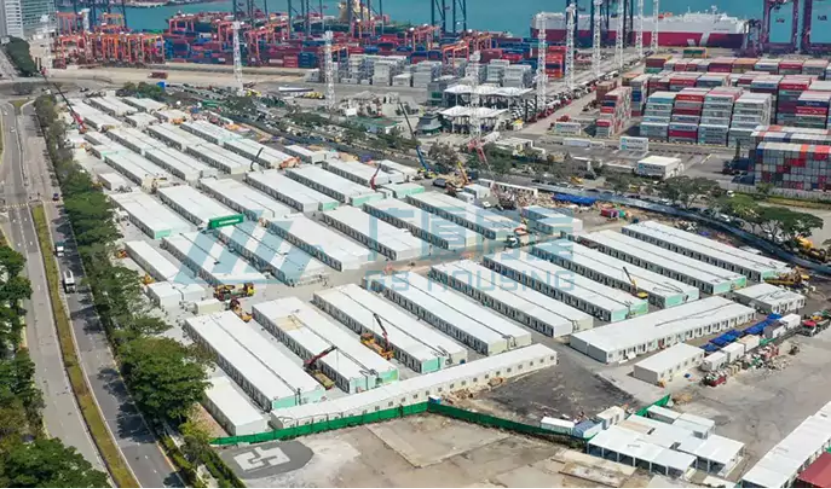
The Role of Modular Design in Urban and Rural Planning
GS’s Modular construction is increasingly being incorporated into both urban infill projects and rural development plans. Its flexibility, speed, and environmental benefits make it a valuable tool for addressing housing shortages and infrastructure needs while minimizing environmental disruption in sensitive landscapes.


评论
发表评论